
Map the System Showcase
Addressing the roots of a problem: Atlantic Fellows learn about “Map The System”
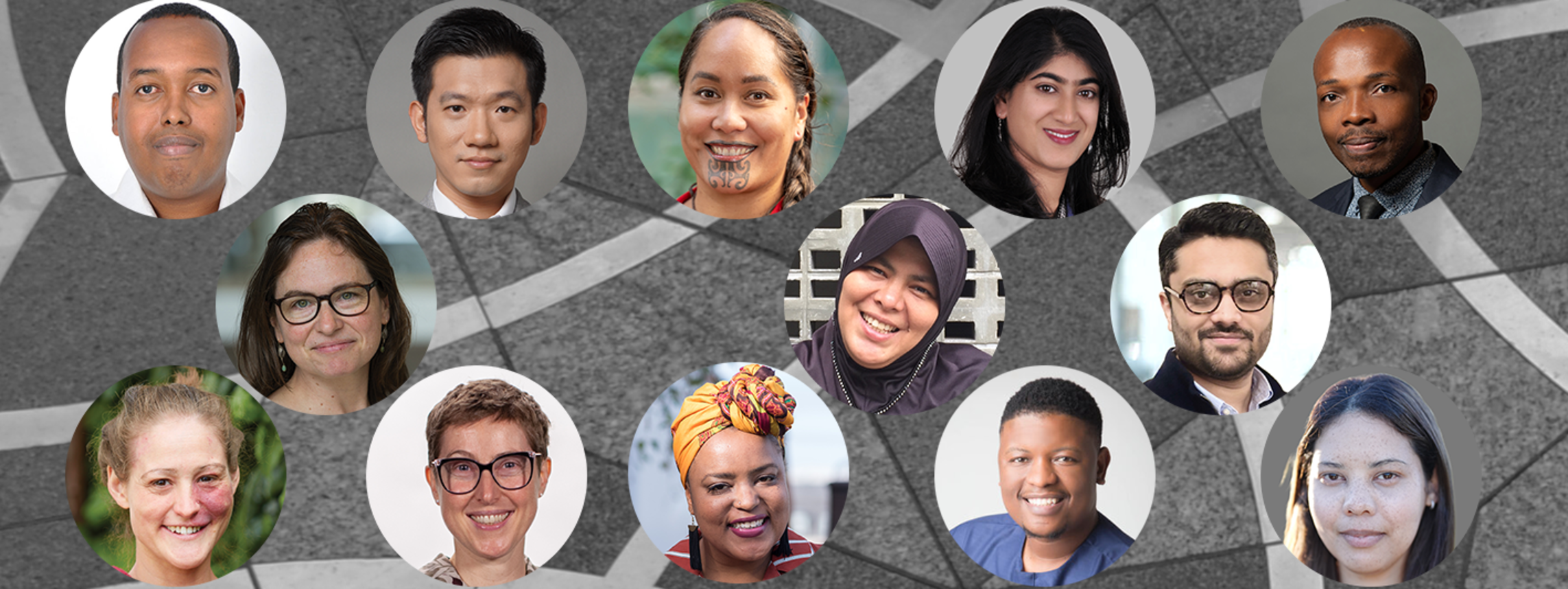
 A personal reflection from Tanya Charles (Atlantic Institute Senior Program and Impact Lead)
We are living through a devastating period. Every day has the potential to plunge us deeper into despair, anger and frustration at the widespread injustice and pointless suffering. And every day, many of us try to do something, anything, to demonstrate our commitment to creating a just and equal world for all. For a time, my ‘something’ has been broad-based action, which took shape for me as a young immigrant studying and working in South Africa many moons ago. I rallied with others to bring an end to the destructive impacts of mining on men and women in a groundbreaking class action lawsuit against South Africa’s gold mining industry. I joined a multi-organizational campaign for a national plan to tackle gender-based violence (GBV), where civil society lobbied the South African government to bring an end to the national GBV crisis. As an imperfect but committed activist, I grew to recognise the power and promise of collective advocacy as a critical lever of change.
When I left South Africa in 2016, a place I credit with my social justice conscientising, a lot changed for me. While my dislocation from my other ‘home’ meant fewer opportunities to participate in the broad-based activism that fueled my way of being in the world, a space opened up for me to explore other pathways for change. The catalyst for this was becoming an Atlantic Fellow for Social and Economic Equity (AFSEE) in 2018, which connected me to people from all over the world who make a difference in ways I had never seen before. Through them, I learned that our backyards can be sites of transformation, such as when AFSEE Fellow Maureen Sigauke quietly opened a makeshift school in her home to ensure that children in her community were not left behind during the pandemic. Or, when political strategist Pedro Telles, also from my cohort, developed a collective candidacy approach to gaining seats in São Paulo’s state assembly, changing the very nature of electoral politics in Brazil.
My horizons have continued to widen since joining the Atlantic Institute, evolving my own sense of what it takes to make a positive impact on the world. As a collaborator, co-curator and facilitator supporting the ongoing learning and impact of the Atlantic Fellows community, when the opportunity arrived to explore a unique approach to understanding the world’s problems, I took it with both hands. In June 2025, working with Oxford University’s Skoll Centre, the Atlantic Fellows community started the Map The System (MTS) course.
About Map The System
The Skoll Centre has pioneered the Map The System online program, which provides participants with the information and skills needed to examine social problems through a systems approach. It operates from the premise that if we apply a systems lens to the challenges we are trying to address, we become better able to identify both their root causes and their connective tissue. Through a structured and self-taught learning journey involving online modules, carefully designed activities, virtual gatherings and peer interactions, participants develop their ability to apply systems thinking to their work and, as a result, develop impactful solutions with the insights generated by this model.
Over the last seven weeks, 70 Atlantic Fellows and staff (including myself) have been on an intensive learning journey. It has been a gift to travel this new terrain together. We have had countless lightbulb moments as we learnt to examine wide-ranging social problems in a new light. I am inspired, as always, by the breadth of expertise and insight of the participants, and am delighted to share some of the projects now emerging from some of this year’s cohort.
They include;
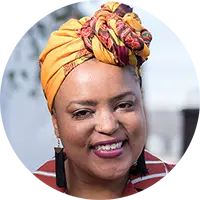
 Djibril Moussa (Atlantic Fellow for Equity in Brain Health), who wants to understand the barriers to Somali immigrants in accessing mental health services in Minnesota, U.S., even as they are readily available.
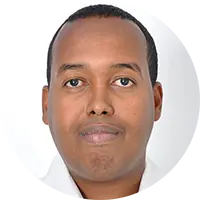
 Marx Lwabanya (Atlantic Fellow for Health Equity Global), who is working on a project to understand how to optimise health systems in fragile or conflict contexts, so important in an increasingly complex global landscape of war, genocide and displacement.
 Leoni Wainwright (Atlantic Fellow for Health Equity in South Africa), whose project will explore the enabling potential of technology for holistic health in a context where health is inaccessible and dualistic.
 Ho Thai Binh (Atlantic Fellow for Health Equity in Southeast Asia), who is exploring the impacts of the “bystander effect” on first aid responders in Vietnam, and challenging us to think about what role we should all play in urgent care.
 Siyanda Siko (Atlantic Fellow for Racial Equity) is currently exploring how mining companies can facilitate socioeconomic transition to ensure justice in the post-mining economy in South Africa.
 Salman Usmani (Atlantic Fellow for Social and Economic Equity), whose work centres on human rights, democracy, and citizenship, and is critical at a time when it feels like some democracies are on their last legs.
A few Fellows invited members of their organisations to join the program with the aim of embedding systems thinking more deeply into their practice:
 Jayashree Dasgupta (Atlantic Fellow for Equity in Brain Health) is working with colleagues to set up a social enterprise that will use a systems thinking approach.
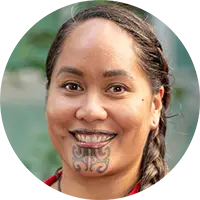 Inez White (Atlantic Fellow for Social Equity), who, with her team and community, is working on a project to examine the interlinkages and impacts of ocean conservation, climate change, sustainable financing, and Pacific futures.
Then there’s Phaedra Bell (Atlantic Fellow for Equity in Brain Health), Rennta Chrisdiana (Atlantic Fellow for Health Equity in Southeast Asia) and Penelope Jones (Atlantic Fellow for Social Equity), a peer mentoring group that is informally (and affectionately) known as The Tormentors. This group also includes Hillary Vipond, (Atlantic Fellow for Social and Economic Equity) and emerged from the Atlantic Institute’s early efforts to cultivate cross-fellowship connections through our structured peer mentoring program, which started in 2021. By taking the MTS course, the group aims to apply systems thinking methodologies to policy development and digital innovation, thereby serving as a force for inclusion.
Learning how to use systems thinking has cemented my belief that to fully address various forms of inequity and injustice today, we should adopt approaches that emphasize collaborative leadership and systems thinking.
It has crystallised the importance of engaging with the technological advances and innovations shaping (and hurting?) our world, and which, in some cases, are threatening the effectiveness of so-called traditional advocacy strategies, including mass protest and citizen action (such as surveillance systems that use facial recognition technology).
Systems thinking, however, is not just a tool for critical research and analysis into social problems, but a process that allows us to be intentional about creating the just societies we want to live in while dismantling the destructive structures that threaten these efforts. As Phaedra Bell put it during one of our MTS calls, it is about “...building a system of hope. A system for deeply valuing not power but each person on earth and our earth itself as a gift.”
Join our Virtual Showcase Week - A call to action
Please join us for a Virtual Showcase Week on Sept. 22 & 25, 2025, when the Fellows who completed the Map the System program will present their projects, visual systems maps and share the next steps in their efforts to make change happen.
PLEASE CLICK THE LINK to register.
Here’s to never giving up, to doing what we can to build new systems with the tools we have today, and to gaining the ones we need for an uncharted tomorrow.
Aluta continua!