
Reflections from Lysa John - Lessons in leadership: The Equity Initiative
Published on November 4, 2025
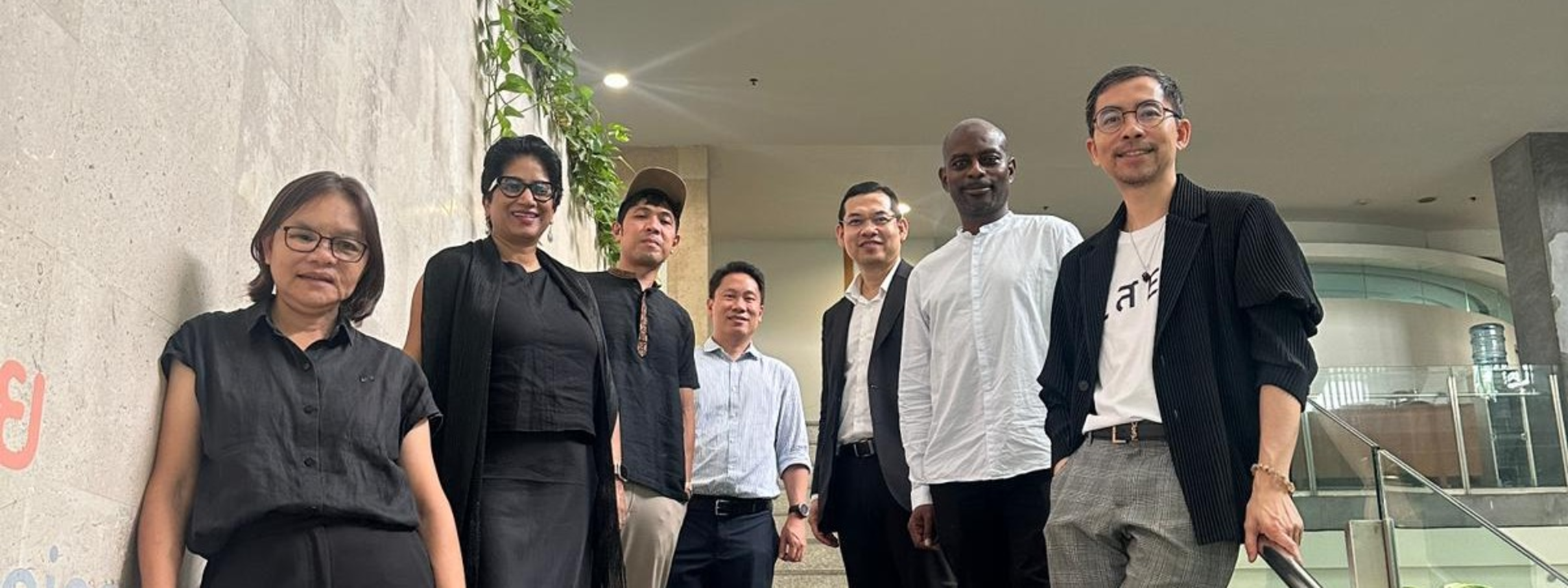
Caption: A tour of the eco-friendly office premises of ThaiHealth, Bangkok
I had the privilege of spending the day with an extraordinary group of leaders in Bangkok, Thailand this week. They come from very different disciplines (some are doctors, others researchers, educators, environmentalists, fund raisers and urban planners) and yet seemed more connected and engaged with each other’s ideas and challenges than groups who spend years together. This bond of long-term learning, inquiry and solidarity has been forged by their shared experience of the Atlantic Fellows programme, in this case the Atlantic Fellows for Health Equity in South East Asia - known as the The Equity Initiative
Locations of immense possibility
I’m a little more than a year old in my role as Executive Director of the Atlantic Institute and this isn’t my first interaction with Atlantic Fellows. What makes this engagement special is the opportunity to meet this remarkable group of social change seekers in their own spaces of innovation and inquiry. These sites are more than just regular workplaces - they are, to paraphrase one member of the group, "locations of immense possibility". Across a span of nine hours, we walk through eco-friendly offices, rooftop kitchen gardens, food rescue kitchens, refurbished classrooms, shared workspaces for social startups, workshops for plastic recycling, a residence for artists and an exquisite cafe run by families and individuals who came to Thailand as refugees. Not all of these are initiatives led by Atlantic Fellows but they are all efforts linked to their direct work and extended networks.
We also climb ten flights of stairs across four different buildings and cover even more ground, metaphorically speaking, through dynamic conversations on questions on values, equity and social change. Most of the people in this impressive group of 14 Equity Initiative fellows from Thailand, Myanmar and the Philippines were already experts in their field of work when they joined the programme. So what did they gain by dedicating a year of their already busy working lives to learning? In addition to the obvious benefits of accessing a much wider knowledge network, most people in the group spoke about two important outcomes gained from the fellowship.
Stories of purpose and conviction
The first outcome was an increase in their own ability to effect change. What I heard through the day were stories of purpose and conviction manifesting in varied but decisive ways. Several fellows spoke about switching jobs and careers to invest their time and focus on issues that mattered deeply to them. Others spoke about new fields of action research or advocacy that were giving voice to issues that were either unseen or misunderstood in national and regional contexts. Either way, an important lesson learnt through the Atlantic Fellows programme was that one’s ability to effect change requires much more than a consuming passion for an issue or subject of inquiry. It requires deep self-knowledge and the confidence that comes from knowing that the questions and challenges you will face as a change maker can be navigated through a live and accessible network of friends, peers and mentors who are generous in their ability to share skills, insights and opportunities for impact.
In a time of extreme uncertainty and instability, particularly within sectors for social change, the knowledge that you are valued, supported and accompanied as you chart your own path of change is a gift like no other. I’m not an Atlantic Fellow myself but being part of this group made me feel more connected and more confident about the value that we create when we play our part in a larger fabric of collective change than I have in months. Clearly, this is a gift that needs to be experienced, shared and co-created more abundantly.
Navigating conflict and contestation
The second outcome referenced in our discussions of the day was the ability to navigate opposition to change without losing sight of one's path and purpose. Both fellows and staff of the Equity Initiative spoke enthusiastically about the leadership building components of the fellowship programmes and particularly the focus on adaptive leadership. I was impressed to hear how the fellowship contributed significantly to navigating the social and political challenges of their work - the need to bring along co-workers and partners, persuade policy makers and address opposition, and in some cases explicit hostility, from stakeholders with conflicting interests. These are barriers all change makers face and our response to such difficult situations is often determined by instinctive or reactive coping strategies. One member of the group spoke to me at length about the value gained from understanding the range of tools and supports available during situations of duress. The emphasis on self-knowledge and on the skills needed to not just deal but actively engage with divergent views was, in his experience, the most important outcome of the fellowship.
I couldn’t agree more. In a world torn apart by polarisation and intolerance, our ability to find common ground with 'the other' is closely linked to our ability to manage visceral and instinctive reactions to people and perspectives that don’t fit our world view. It is the kind of leadership that is most needed and least likely in a time of conflict and contestation. The Atlantic Institute is part of the Atlantic Fellows community and was created to seek and establish more pathways for such values-based leadership. We do this by learning from those who walk this path. Thank you, fellows and staff of The Equity Initiative, for inviting us to be part of your journey.